
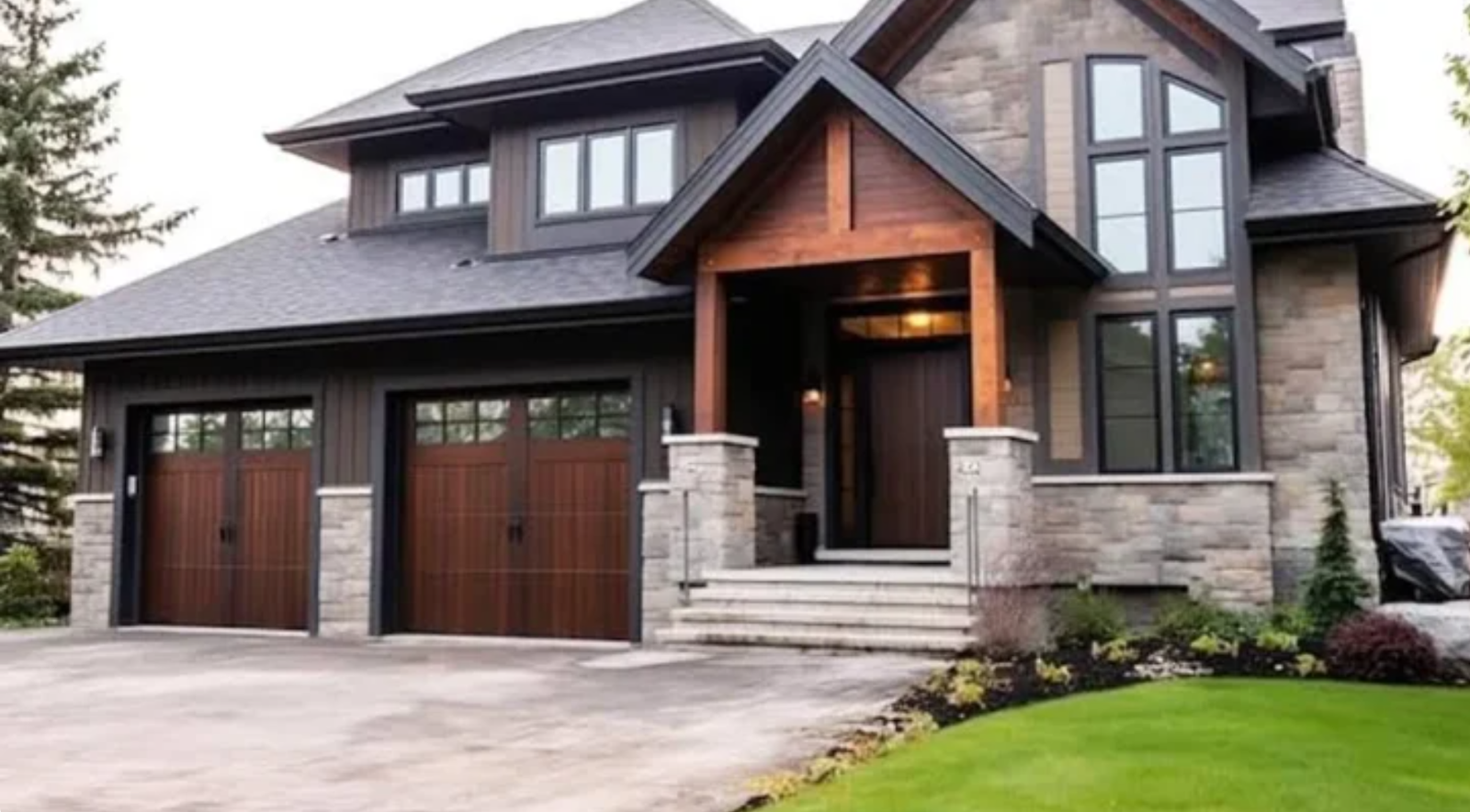
Before someone notices the furniture, the kitchen, the artwork, or the layout, they see the outside. The siding, roofline, trim, windows, entryway, and landscaping all work together to create the first feeling of the property.
In a way, exterior design is like a good song. The main melody may get the attention, but the rhythm underneath holds everything together. Siding works the same way. It may not always be the flashiest part of a home, but it shapes the whole look.
When siding is clean, strong, and well-matched to the house, the home feels cared for. When it is faded, cracked, warped, or outdated, the entire property can look older than it really is.
That is why siding should not be treated as a small exterior detail. It is one of the most important parts of a home’s appearance and protection.
Siding Sets the Tone
The siding of a home affects its style before any other detail has a chance to speak.
A light neutral siding color can make a home feel fresh and classic. Darker siding can create a bold, modern look. Warm tones can make the exterior feel more welcoming. Clean trim can sharpen the whole design.
Homeowners often think curb appeal starts with landscaping, but siding creates the base. Flowers, shrubs, lights, and porch decor will only go so far if the exterior surface behind them looks tired.
For homeowners planning a larger exterior upgrade, working with a company such as GVD Renovations can help bring together siding, trim, and other design details in a more complete way.
Protection Matters as Much as Style
Siding is not only about looks. It also helps protect the home from weather, moisture, wind, sunlight, and daily wear.
When siding begins to fail, it can allow bigger problems to develop. Moisture can reach areas it should not. Paint may peel. Boards may warp. Gaps can appear. In some cases, small siding problems can lead to damage behind the surface.
That is why homeowners should inspect siding regularly. Warning signs may include cracks, loose panels, fading, bubbling, mold, soft spots, or higher energy bills caused by poor sealing.
A home can look fine from a distance but still have siding issues that need attention.
Know When It Is Time to Replace or Repair
Not every siding issue means the full exterior needs to be replaced. Sometimes a repair is enough. A few damaged panels, small cracks, or isolated problem areas may be fixable.
But if the siding is old, badly faded, damaged in many areas, or no longer protecting the home properly, replacement may be the smarter long-term choice.
Homeowners looking for a Sacramento siding contractor should focus on more than price. The right contractor should understand materials, installation, weather exposure, insulation, and how the siding will affect the full exterior look.
Good siding work should improve both protection and design.
Match Siding With the Home’s Character
A siding update should respect the style of the home.
A craftsman-style home may look best with warm tones, strong trim, and natural details. A modern home may suit clean lines and simple colors. A traditional home may work well with classic siding profiles and balanced contrast.
The goal is not to copy every trend. The goal is to choose a look that feels right for the property.
This is where homeowners should be careful. A trendy color or material may look good online, but it may not fit the home’s architecture or neighborhood. Siding should feel fresh, but it should also age well.
Think About Trim, Doors, and Windows
Siding does not work alone. Trim, doors, windows, shutters, gutters, and exterior lighting all affect the finished look.
A siding project is a good time to think about these details together. New siding can make old trim look more noticeable. A fresh exterior may make the front door color feel outdated. Updated siding may also highlight windows that need cleaning, repair, or replacement.
Small design choices can make the project feel more complete. Trim color, window framing, porch lighting, and front door style can all help the siding look intentional.
Choose Materials for Real Life
Different siding materials have different strengths. Some are valued for durability. Some are easier to maintain. Some offer a classic look. Others are chosen for cost, weather resistance, or energy performance.
Homeowners should think about the local climate, maintenance needs, budget, and expected lifespan before choosing.
A low-maintenance option may be better for busy families. A more traditional material may fit an older home better. A strong weather-resistant choice may matter more in areas with heat, storms, or seasonal changes.
The best siding choice is the one that fits the home and the homeowner’s real life.
Do Not Wait Until Damage Spreads
One common mistake is waiting too long.
Because siding problems often start small, they are easy to ignore. A crack here, a faded section there, or one loose panel may not feel urgent. But exterior problems can grow quietly.
Regular checks can help. Homeowners should walk around the house a few times a year and look closely at the siding, especially after storms or extreme weather. Pay attention to corners, seams, areas near windows, and sections close to the ground.
Early action can prevent larger repairs later.
Siding Can Change How the Whole Home Feels
A good siding update can make a home look newer, cleaner, and more complete. It can also improve confidence for homeowners who want their property to feel cared for from the street.
Curb appeal is not only about impressing other people. It also affects how homeowners feel when they pull into the driveway. A well-maintained exterior creates a sense of pride and order.
Just like a great song needs rhythm, a great home exterior needs strong basics. Siding is one of those basics.
When siding, trim, color, landscaping, and lighting work together, the home feels more finished. It becomes easier to maintain, easier to enjoy, and more attractive from the first glance.
